

RSAC Conference (formerly RSA Conference) on Monday announced the availability of a new open source threat intelligence visualization tool, Quantickle.
Created via vibe coding by Snorre Fagerland, senior technical director at RSAC, Quantickle is a browser-based network graph visualization tool that simplifies threat analysis.
It can be used by threat researchers and cybersecurity analysts to visualize relationships among domains, IP addresses, malicious files, and threat groups to identify patterns, attack paths, or hidden connections.
Users can manually add node and edge data, import it from CSV files, or use REST API integrations. They can customize icons, backgrounds, node/edge types, and layouts. The visualizations can be exported as CSV, PNG, PDF, or HTML files.
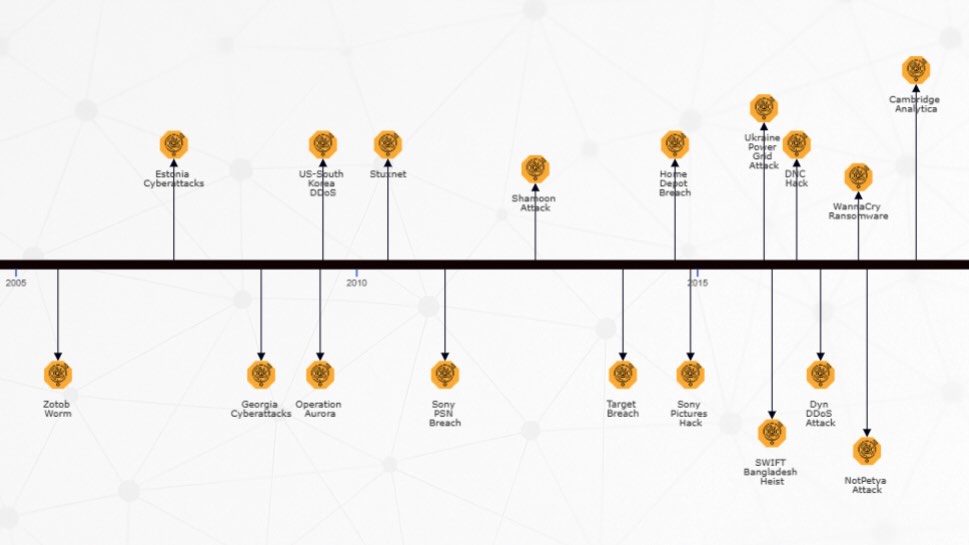
“The front-end (Cytoscape.js + custom UI) handles rendering, editing, and layout execution, while the lightweight Express server serves the UI, proxies integration calls, and optionally stores graphs in Neo4j,” Fagerland explained. “In other words, the browser owns the graph state and visualization, while the server exists to supply assets and integrations when needed.”
The expert pointed out that Quantickle is not designed for enterprise use.
“There are already software products that cover that space, and their makers can provide much better support and maintenance than I ever could,” Fagerland said. “Quantickle is a different beast. Its purpose is to facilitate manual research, not automation; and to make detailed, customizable illustrations for visualization and publication. It aims at high-quality, curated relationships, and not massive hairball clusters.”
Fagerland cautioned that while users can host Quantickle on a remote server, it’s not recommended because it hasn’t been analyzed for vulnerabilities; the recommendation is to run it locally.
Quantickle is available on the RSAC-Labs GitHub organization.
Related: New Paper and Tool Help Security Teams Move Beyond Blind Reliance on CISA’s KEV Catalog
Related: Vibe Coding Tested: AI Agents Nail SQLi but Fail Miserably on Security Controls
Related: re:Invent 2025: AWS and Security Vendors Unveil New Products and Capabilities